Transform Your Environment: The Influence of Expert Architectural Design Solutions
Skilled architectural design offerings play an essential role in transforming spaces. Such solutions blend utility with artistic expression, making certain that all projects satisfy both operational demands and design benchmarks. Designers utilize cutting-edge methods and eco-friendly approaches, adapting their creations to fulfill local needs. Yet, numerous individuals fail to recognize how these offerings can unlock the full capability of their surroundings. Exploring the multifaceted advantages of engaging an architect reveals insights that could redefine any space.
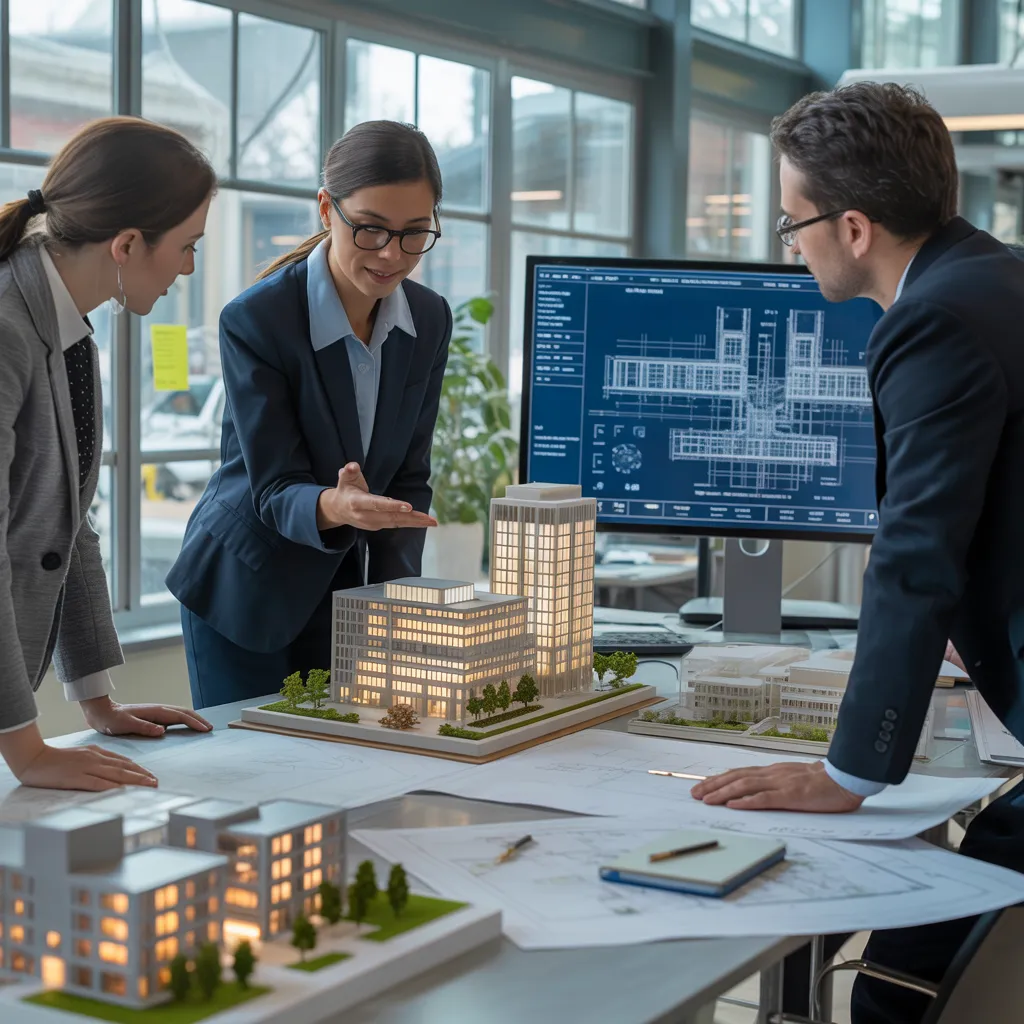
Exploring the Value of Expert Architectural Services
Uncovering the value of skilled architectural practice is fundamental for maximizing both aesthetic appeal and functionality in any undertaking. Skilled architectural work goes beyond basic appearance; it integrates the principles of environmental sustainability, structural integrity, and space planning. By utilizing advanced techniques and a deep understanding of construction materials, architectural professionals develop spaces that are not only visually captivating but also efficient and practical.
Furthermore, professional architects account for the specific aspects of each individual project, including local regulations, climate, and community needs. This thorough approach confirms that the final design is not only creative but also in harmony with its environment. They employ cutting-edge technology, such as 3D modeling, to equip clients with a vivid understanding of the end result. When all is considered, investing in professional architectural design results in enduring rewards, enhancing both the experience of the occupants and the overall value of the property.
Key Benefits of Hiring an Architect for Your Design Project
Working with an architect for a construction project offers significant benefits that elevate both the process and the end result. Architects provide a depth of experience, guaranteeing that projects comply with local regulations and building codes, which can avoid expensive problems down the line. Their ability to produce detailed plans and specifications aids in streamlining the construction process, minimizing delays and miscommunication among construction teams.
In addition, architects are proficient in project management, overseeing various aspects of the design and construction phases. This supervision ensures that time frames and budgets remain on track, providing clients with peace of mind. Additionally, architects have the ability to detect potential challenges at the beginning of the design phase, allowing for proactive problem-solving. Their experience with materials and construction methods frequently generates innovative solutions that optimize productivity and eco-friendliness. In the end, hiring an architect not only improves the quality of the project but also improves the entire journey for clients.
Improving Aesthetics and Functionality Through Architectural Knowledge
Architectural expertise plays a crucial part in elevating both form and function in design projects. By utilizing creative design approaches, maximizing available space, and sourcing environmentally responsible materials, architects can create environments that are beautiful and highly functional. This strategy not only meets client needs but also encourages sustainable practices.
Progressive Design Concepts
Innovative design solutions transform spaces by seamlessly blending aesthetics with functionality. Skilled architects utilize imaginative techniques to address varied client requirements while elevating aesthetic value. By employing materials, colors, and forms that resonate with the environment, architects craft balanced environments that embody personal character. Advanced technology, including 3D modeling and virtual reality, allows for immersive simulations, empowering clients to explore designs before construction begins. Furthermore, incorporating eco-friendly methods ensures that designs are both visually appealing and environmentally responsible. With deliberate attention to brightness, proportion, and circulation, these strategies optimize user comfort and support overall health. At its core, progressive design nurtures an exceptional harmony between utility and aesthetics, improving the standard of both living and workspaces.
Space Maximization Strategies
Making the most of space demands thoughtful planning and design approaches that elevate both form and function. Expert architectural design firms utilize strategies like open-concept layouts, which remove redundant walls and promote a feeling of openness. Dual-purpose furniture can be introduced to meet several needs, making certain that every square foot is put to optimal use. Moreover, deliberate arrangement of windows and mirrors can generate the perception of roomier spaces, welcoming natural light and boosting visual perspective. Architects also consider circulation patterns, ensuring that movement through a space is both intuitive and efficient. By prioritizing these optimization techniques, architects transform environments into harmonious areas that not only look appealing but also cater to the practical needs of their occupants.
Green Material Options
While prioritizing sustainability, architects are increasingly drawn to sustainable materials that elevate both design quality and practical use. Making use of resources such as reclaimed wood, bamboo, and recycled metal not only minimizes ecological harm but also brings distinctive charm to interiors. These decisions foster a harmonious design, blending seamlessly with natural surroundings. Additionally, incorporating materials like low-VOC paints and energy-efficient glass elevates indoor environmental quality and optimizes heat management, ultimately benefiting occupant health and comfort. Through the thoughtful choice of eco-friendly resources, designers craft aesthetically pleasing spaces that resonate with eco-conscious clients. This methodology promotes a greater sense of accountability in architecture, showing that visual appeal and eco-consciousness are fully compatible, while addressing the pressing need for environmentally friendly comprehensive article solutions in modern design.
How Technology Is Transforming Modern Architectural Designs
Today, numerous technological advancements profoundly shapes architectural design, transforming how structures are envisioned and created. Building Information Modeling (BIM) enables architects to produce detailed 3D models, facilitating better collaboration across stakeholders and ensuring precision during the design process. Furthermore, virtual reality (VR) and augmented reality (AR) allow clients to experience spaces before they are built, making design decisions more informed and intuitive.
Technology has also played a key role in advancing sustainability, with energy modeling programs enabling architects to enhance structural performance by analyzing energy demands and environmental consequences. In addition, innovative materials and construction approaches, such as prefabrication and 3D printing technologies, optimize the overall construction workflow, lowering both time requirements and expenses. Drones and robotic systems are becoming more widely adopted for site evaluations and inspections, providing real-time data that improves accuracy and safety. Taken together, technology not only fosters creative design but also ensures that architectural solutions align with contemporary standards of efficiency and sustainability.
Frequent Myths Surrounding Architectural Services
Many individuals harbor misunderstandings about professional architectural services, believing that they are prohibitively expensive and that the role of architects is limited to building design. Such a restricted viewpoint overlooks the diverse range of services architects provide, including planning and consultation. Gaining clarity on these false assumptions is crucial for recognizing the genuine worth of architectural expertise.
The High Cost of Architectural Services
The belief that architectural services are prohibitively expensive frequently arises from misunderstandings about their value and scope. A great number of people link high fees with unaffordability, overlooking the long-term benefits that professional design can provide. Architectural services encompass more than just blueprint creation; they involve extensive planning, regulatory compliance, and innovative problem-solving. By investing in these services, homeowners frequently realize savings over time through better resource management, fewer building mistakes, and enhanced property worth. In addition, the intricacy of a project can significantly influence overall expenses, making it essential to understand that a well-planned design can lead to substantial financial savings. Ultimately, considering architectural services as a worthwhile investment rather than a cost can shift perspectives and deepen recognition of their value.
Architects Exclusively Design Buildings
A common misconception is that architects solely focus on designing buildings. The fact is, their proficiency goes much further than basic building design. Architects participate in urban planning, landscape architecture, and interior environments, creating balance among different components. They partner with clients to design purposeful environments that elevate the standard of living. Additionally, architects engage in sustainability efforts, integrating eco-friendly practices into their designs. They regularly take on public spaces, green parks, and civic projects, responding to societal requirements and upgrading urban frameworks. Moreover, architects provide valuable insights during renovation and restoration projects, preserving historical significance while adapting to modern needs. This diverse role demonstrates their vital contribution to molding not merely buildings, but complete communities and landscapes.
Picking the Best Architect for Your Design Vision
How can someone ensure that the architect they choose is suited to their particular design goals? Finding the right architect requires thorough assessment of key elements. First, reviewing an architect's portfolio can offer a glimpse of their creative style and skill set. This process allows prospective clients determine if the architect's prior designs aligns with their personal style preferences.
Furthermore, strong communication plays a key role. Taking part in preliminary consultations enables clients to communicate their ideas and expectations with clarity. A skilled architect's capacity to listen and reply with care demonstrates their dedication to grasping the client's vision.
Moreover, checking references and client testimonials can reveal the architect's reliability and professionalism. It is essential to ensure that the architect has experience relevant to the project's scope, whether residential or commercial. In the end, a well-suited architect can make a vision a reality, making the hiring process essential for achieving successful architectural results.
Notable Works in Architectural Design
Transforming visions into reality, successful architectural design stories illustrate the remarkable effect of deliberate planning and artistic execution. A standout example is the transformation of a century-old warehouse into a thriving community hub. Skilled architects thoughtfully maintained original features while integrating modern amenities, resulting in a space that promotes teamwork and meaningful connection.
One other motivating example involved a green residential project that incorporated eco-friendly materials and creative architectural methods. This methodology not only lowered carbon emissions but also created a harmonious living environment, establishing a standard for upcoming projects.
In urban landscapes, the transformation of overlooked locations into lush green spaces demonstrates how strategic design can improve the quality of life for residents. Each story reflects a focus on improving both form and function, demonstrating how skilled architectural expertise can elevate spaces and improve quality of life. These accomplishments act as evidence of the profound influence of architectural design in crafting spaces for the communities of tomorrow.
Questions We Often Receive
What Qualifications Should I Consider When Choosing an Architect?
When seeking an architect, it is essential to prioritize qualifications such as a relevant degree, proper professional licensing, a diverse portfolio, effective interpersonal skills, and experience in the desired project type to secure seamless cooperation and successful project completion.
How Much Time Does the Architectural Design Process Usually Take?
The architectural planning process generally requires anywhere from three to six months, subject to project complexity, the needs of the client, and regulatory approvals. Effective communication and collaboration may shorten this timeline, guaranteeing the prompt delivery of the final design.
What Are the Fees Associated With Hiring an Architect?
The expenses involved in hiring an architect typically range from 5% to 15% of the total project budget, depending on complexity and scope. Extra charges may occur for consultations, revisions, and specialized services during the design process.
Can Architects Help With Permits and Zoning Regulations?
Architects are able to help with permits and zoning regulations. Their professional expertise ensures compliance with local regulations, simplifying the application process and minimizing potential delays, ultimately supporting the successful completion of a project.
How Do I Effectively Convey My Vision to an Architect?
To engage productively with an architect, it is important to prepare visual references, outline particular needs, address personal preferences, and be willing to consider expert advice. Clear communication and teamwork build a constructive conversation, guaranteeing that the design vision matches professional knowledge.